

Mr. Shukur Ayyed khalaf
Case of Awake Craniotomy

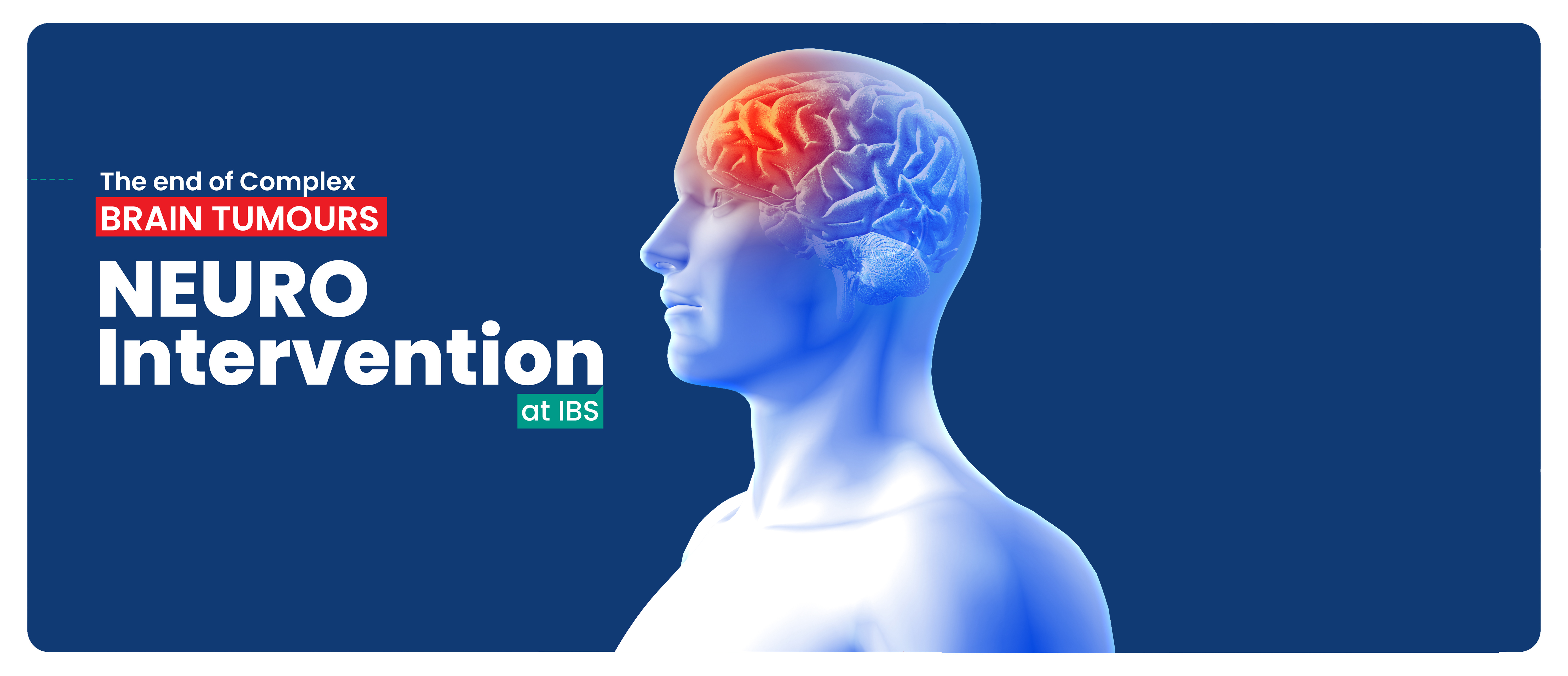
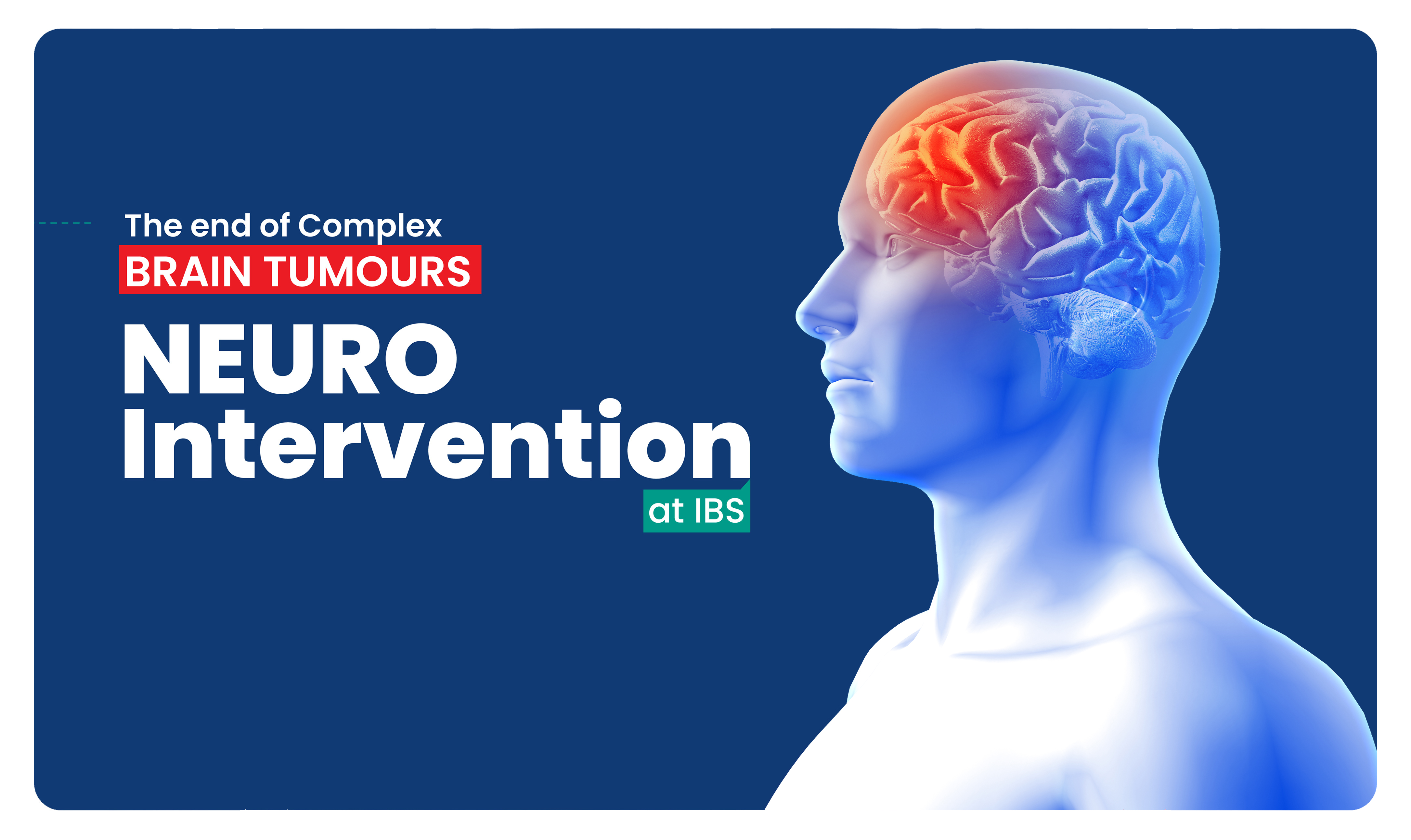
A brain tumor is a collection of abnormal cells in the brain tissue. Some tumors are benign (non-cancerous) and others are malignant (cancerous). We name tumors by their type of cells or where they tend to occur.
A mass of abnormal cells in the brain tissue due to uncontrolled multiplication and accumulation is a brain tumour. These can be non-cancerous (benign) or cancerous (malignant) and may vary in shape and size.
With a 120 types accounting for a staggering statistic of 85-90% of all primary tumours of the nervous system, brain tumours are the new bane of mankind’s existence, what with it being the prime cause of solid cancer-related mortality in children below the age of 20.
 More Information
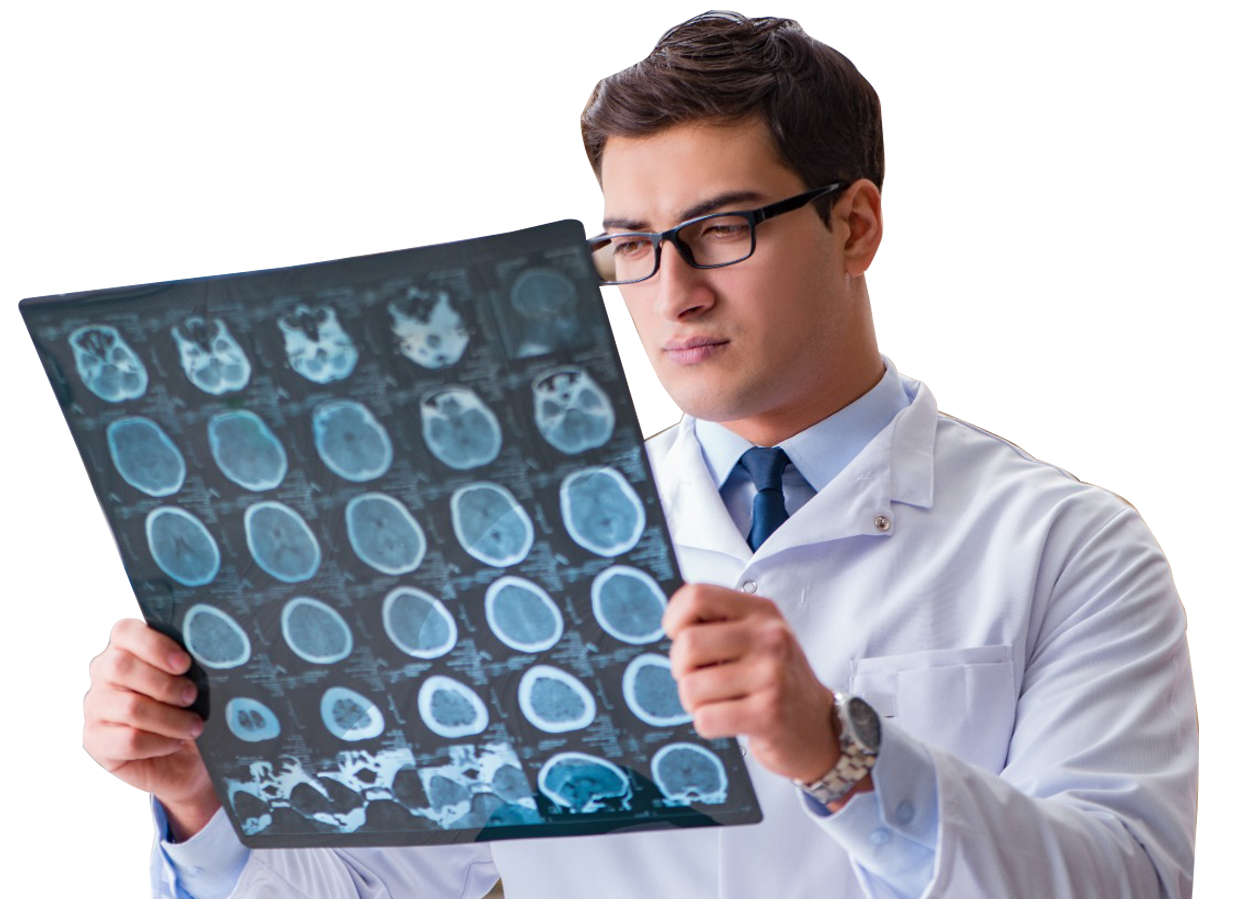
Although pinpointing a specific cause isn’t currently possible, unhealthy DNA mutations is widely believed to be the perpetrator resulting in an uncontrolled growth and an eventual tumour formation. Factors that can contribute to an increased risk include:
Primary
Originates in the brain itself i.e May develop from brain cells, nerves, et all. These can be:
Malignant:
Benign:
Benign:
Aka Metastatic Brain Tumours - which spread to other parts of the body)
1 in 4 brain tumour patients are likely to have a metastatic brain tumour
Brain tumours may elicit non-specific symptoms and at times, none at all! Here’s what to keep an eye out for:
At IBS, we aim to offer you groundbreaking new technology and procedures to ensure the best possible outcome. A combination of cutting-edge radiotherapy, minimally invasive surgical procedures and post-procedural observation has been developed to ascertain the safest care for you and your loved ones.
Our treatment modalities include:
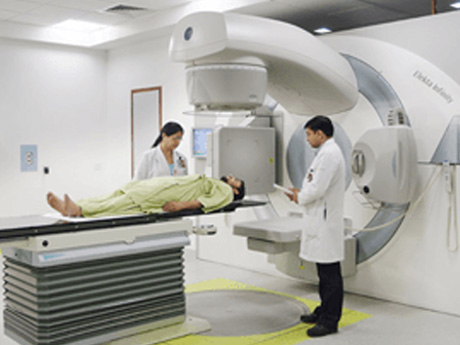


Brain tumours are usually treated surgically along with a combination of therapies, like radiotherapy, which may be given either before the treatment - to reduce the size of the mass, or after the treatment - to destroy any remaining cancerous cells.
Our aim: To extract the tumour while still preserving as much healthy tissue as possible.
Our combination of:
Awake Craniotomies + Personalised Brain Mapping
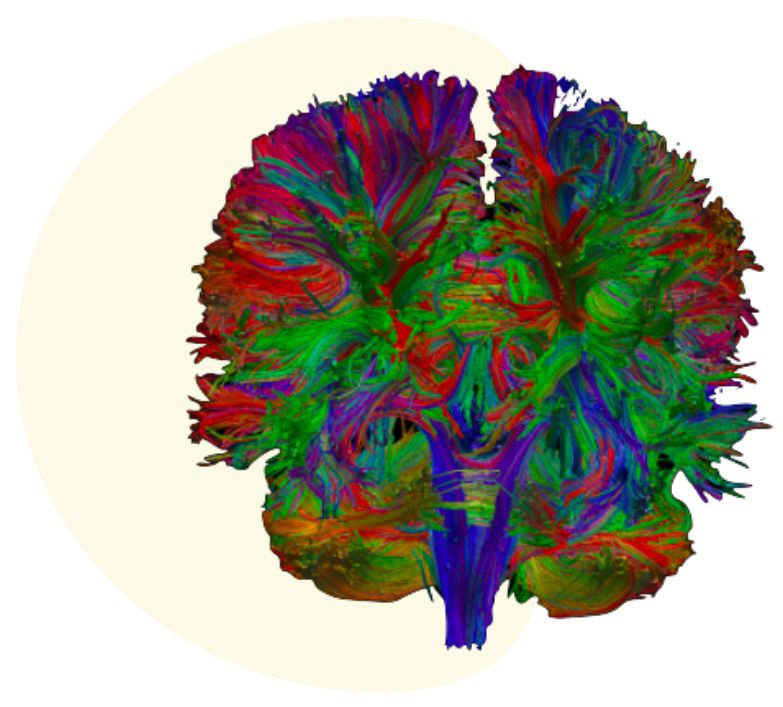
Here’s what we use, to give you the best care, from across the globe:
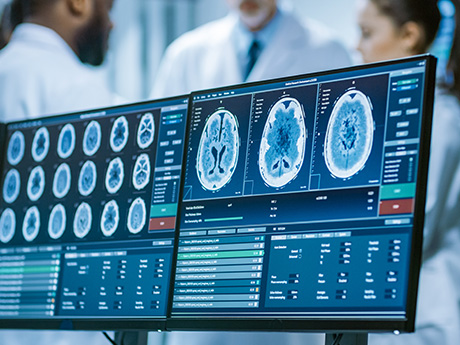
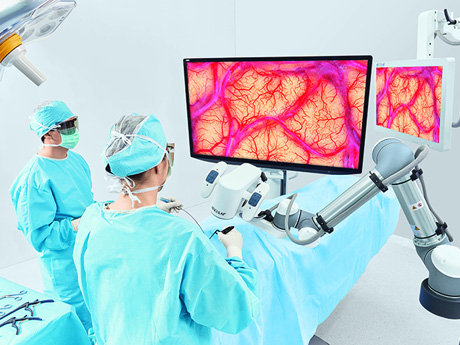
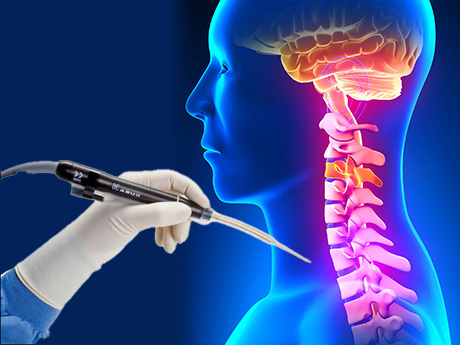
State of the art diagnostic and imaging modalities, best in class interventions, and a listing as the most trusted choice for neurosurgical therapy, IBS is at the top of its game. With personalised and precision-based treatment curations backed by eminent brain surgeons, we aim to bring together technology, medicine and humanity. Surgery can always seem a bit daunting, but with IBS, your life couldn’t be in better hands!
Take a virtual tour
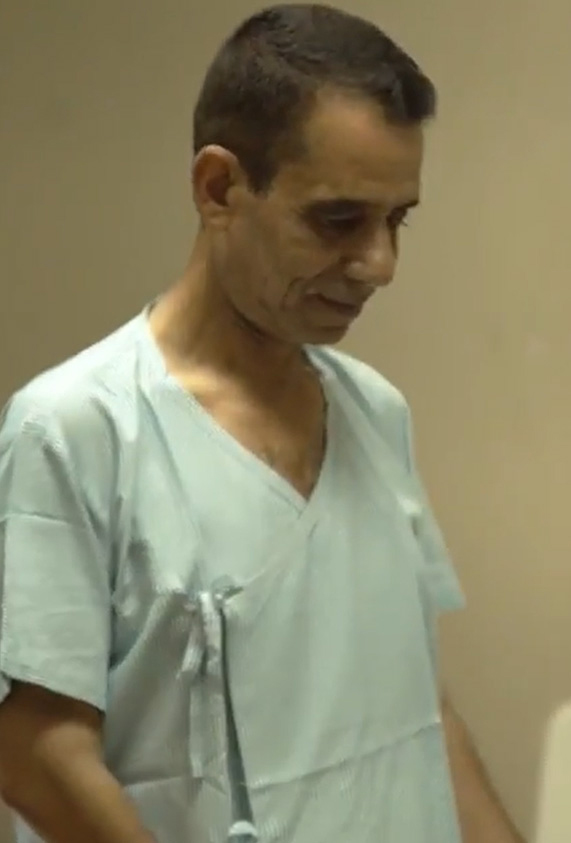
Case of Awake Craniotomy
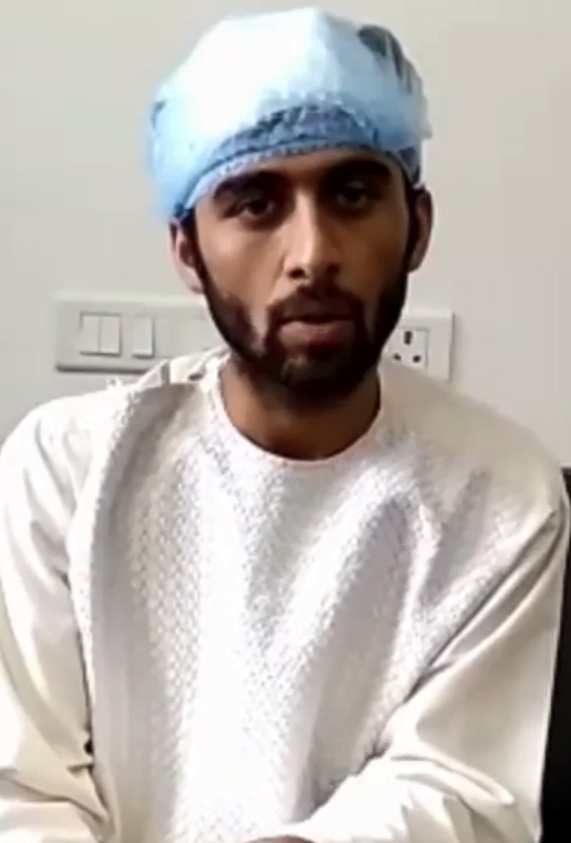
Navigation Guided Brain Tumor Surgery
These are the stories of our patients that never fail to inspire us:
Get StartedMeet the team of highly specialised and experienced neurosurgeons, neurologists and other experts in the field of neurology and spine care. Our team is dedicated to providing personalised and compassionate care to each patient, with the goal of helping them achieve the best possible outcomes.