

Chat Via Whatsapp
Enquire Now Call Now
Brand Logo Brand Logo

Book an Appointment

Understanding Spinal Cord Injury

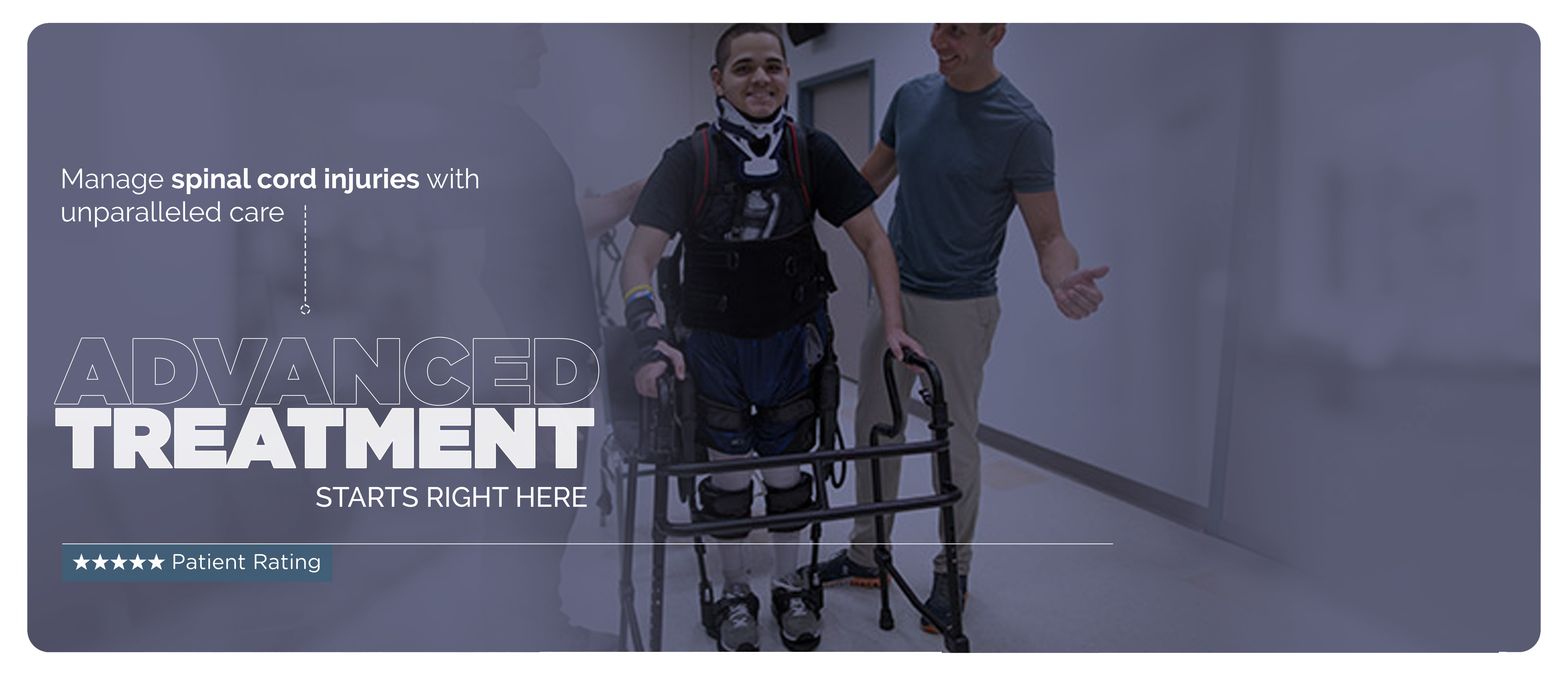
IBS Hospital offers a comprehensive range of state of the art facilities for the effective treatment and management of the entire gamut of spinal cord injuries, ranging from mild to complex.

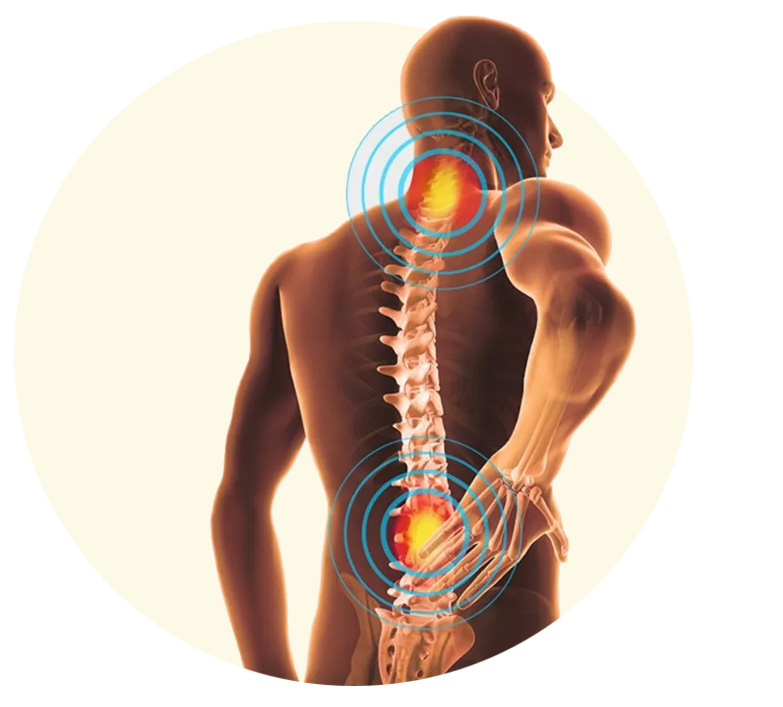
Spinal cord injury is marked by damage or trauma to any part of the spinal cord or the nerves that are present at its end. Since the spinal cord plays the vital function of transmitting nerve signals, any kind of damage to it can result in serious impairments, loss of strength, altered sensation, and reduced functionality.

The extent of the injury can vary from one person to another and so does the time taken for recovery. In some cases, the damage can be completely reversed with proper treatment, but this may take a couple of months or even years.

More Information
Brain Tumours

Spinal cord injuries are broadly classified into 2 types. These are:

  • Incomplete spinal cord injuries - These account for nearly 60 per cent of all spinal cord injuries and can be easily managed. These are further classified into three types - anterior cord syndrome, central cord syndrome and brown-sequard syndrome.
  • Complete spinal cord injuries - These are not as common as incomplete spinal cord injuries but happen to be more serious. These are further classified into three different types - tetraplegia, paraplegia and triplegia.

Spinal cord injuries predominantly affect your ability to control the movement of your limbs. This, to a great extent, depends upon the extent of the injury, which is usually categorized into two types - complete and incomplete. The former is marked by the complete loss of sensory and motor function and the latter is marked by the partial. Loss of the same.

In extreme cases, spinal cord injury can also result in paralysis, which can be of two different types - tetraplegia and paraplegia. The former involves some parts of the upper and lower limbs along with the pelvic organs, whereas the latter involves all parts of the limbs along with the pelvic organs.

Some of the common symptoms associated with spinal cord injuries are:

  • Complete or partial loss of movement
  • Changes in sensation
  • Bladder incontinence
  • Spasms
  • Sexual dysfunction
  • Intense pain
  • Breathing difficulties

Spinal cord injuries are usually caused by severe trauma or blow, that has a direct or indirect impact on the spinal cord. There are multiple factors that can be responsible for it. Some of the most common of these include:

  • RTA or road traffic accident
  • Tripping or falling
  • Sports or recreational injuries
  • Underlying diseases
  • Physical violence

At IBS, we are committed to bringing the best technology from across the globe, for your care. State of the art facilities offered here include:

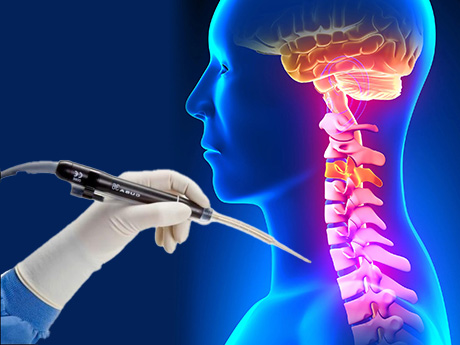
  • Neuro navigation - It is an advanced technology used for performing image-guided neuro interventions. The modality offers added precision and accuracy through real-time intraoperative guidance.
  • Fluorescent microscope - It is a highly advanced imaging tool that helps alleviate various complexities and improve the procedure's outcomes. It is an optical microscope that involves the use of fluorescence to generate ace images by overcoming the resolution barrier that is limited by diffraction in normal microscopes
  • CUSA( Cavitron ultrasonic aspirator) -The surgical modality utilizes low-frequency ultrasound energy for extracting brain and spinal cord tumours, as well as to perform other complex procedures. The ultrasonic frequencies help to emulsify the diseased tissue while leaving intact the surrounding healthy tissue.
  • Nerve monitoring - It is also known as electrophysiologic monitoring and is a surgical assessment tool that helps to evaluate the functional integrity of the brain and other related structures and alleviate the risks of any unintended damage to the same.

Comprehensive Spinal Cord Injury

All in One Place. Focused on You.

IBS offer a wide range if the state of the art facilities for the assessment and evaluation of all kinds of spinal cord injuries. These include:

Before the surgery

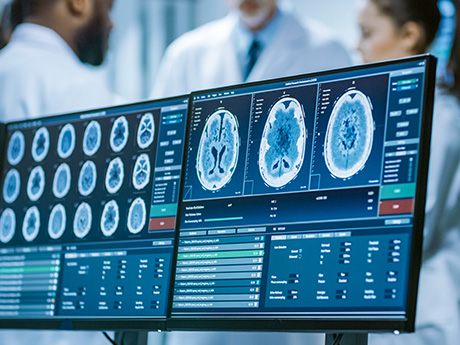
  • The patient will be required to undergo some tests to assess the extent of damage and the underlying cause. Common tests include X-ray, CT scan and MRI.
  • Based on the tests, your doctor will curate a comprehensive treatment plan
  • You will be required to inform your doctor about your medical history
  • You need to inform your doctor if you are allergic to any medication

On the day of the surgery

Such surgeries are usually performed on an emergency basis
  • Once you arrive at the hospital and check in, a nurse will be assigned to guide you.
  • Once necessary tests are done and you have been stabilized, you will be taken to the operation theatre and connected to fluids and monitors
  • Your vitals will be thoroughly monitored, throughout the procedure.

Recuperation in the Hospital

  • Right after the surgery, you will be taken to the observation room from where you will be shifted to your room once you gain consciousness
  • Your hospital stay will be planned, depending upon your prognosis and the extent of your injury
  • Your assigned nurses will closely monitor you and take care of your medication
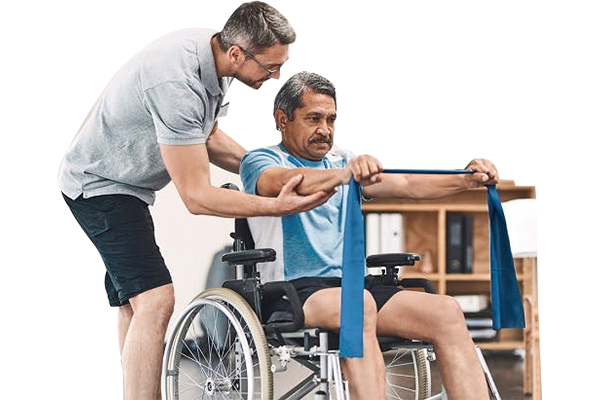
  • You will work with our physiotherapists, who will guide you through the recovery phase
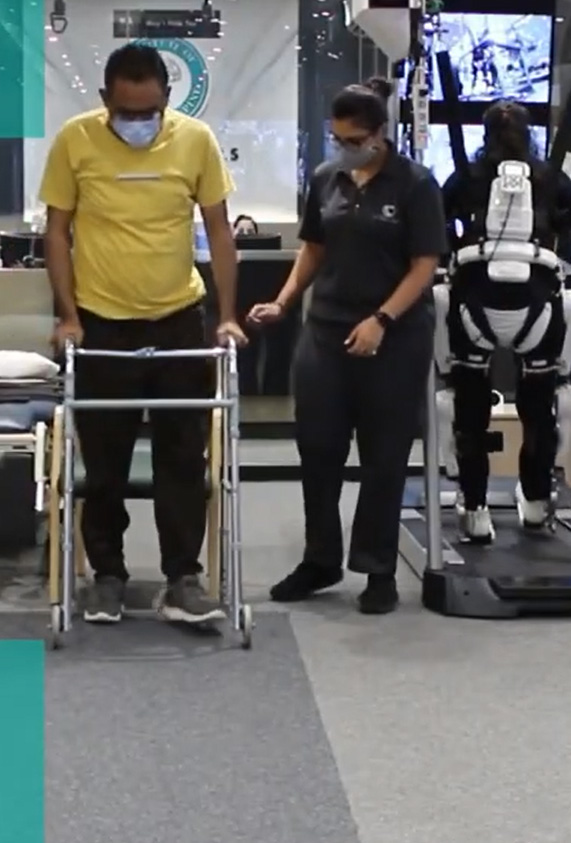
  • Our rehabilitation team will join you with a specially curated rehabilitation program to help you recover as much function as possible.
  • Your rehabilitative care is planned in accordance with a number of different factors that include the extent of injury and damage to the spinal cord

Recuperation at home

  • You will be briefed about how to take care of the incision/wound at home
  • You will be given a set of guidelines related to your medication, diet and daily activities
  • The team will schedule your followups and you will be notified about the same
  • Outpatient physical and occupational therapy will be started
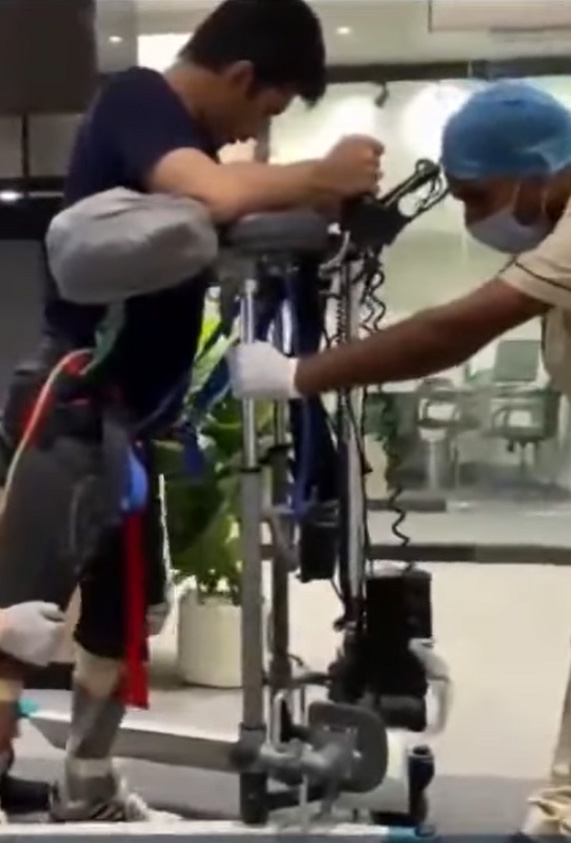
  • At IBS Hospital, we offer a comprehensive rehabilitation program that involves rigorous therapies based on your age and overall health. You can continue your rehabilitation program even after being discharged from the hospital, on an outpatient basis, as we have a dedicated rehabilitation unit for the same.

Follow up Care

  • Regular follow-ups are vital for a speedy and complication-free recovery.
  • Stay in touch with your doctor, making sure he/she is well informed about your progress.
  • Make sure you and your doctor are on the same page.
Care

Our Technology

At IBS, we are committed to bringing the best technology from across the globe, for your care.
State of the art facilities offered here include:

why-choose

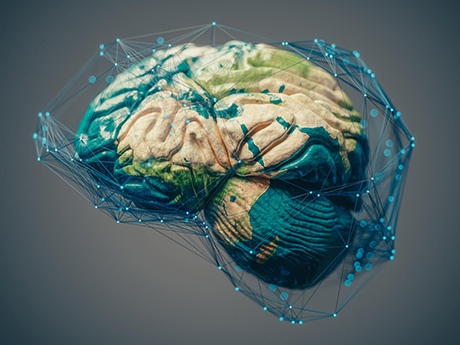
Why choose IBS for treating spinal cord injuries?

IBS Hospital offers a comprehensive range of state of the art facilities for the effective treatment and management of the entire gamut of spinal cord injuries, ranging from mild to complex. The hospital is equipped with leading-edge imaging modalities for precision-based treatment and care. The team consists of immensely specialized neurologists and neurosurgeons, who constantly strive to offer unparalleled care to the patients. The areas of specialization include both, conventional, as well as minimally invasive surgical interventions, which are backed by the most advanced innovations.

Take a virtual tour
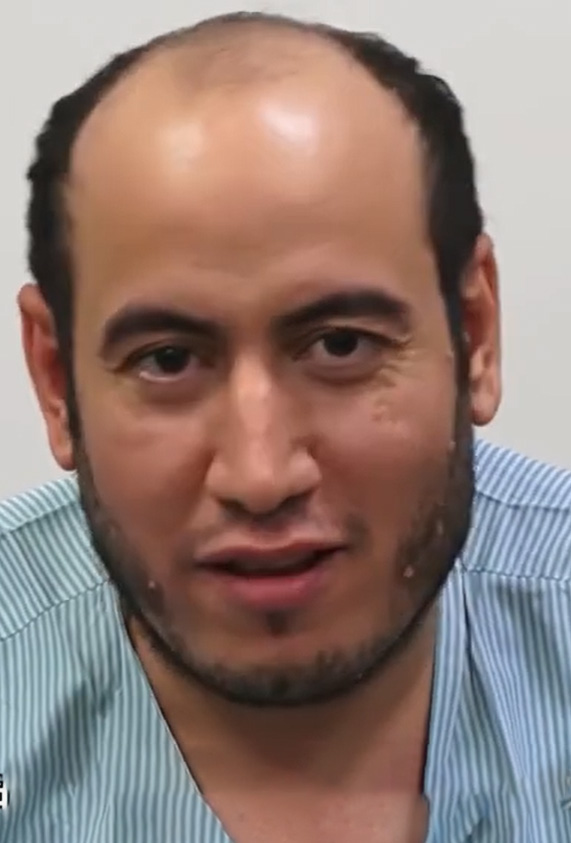
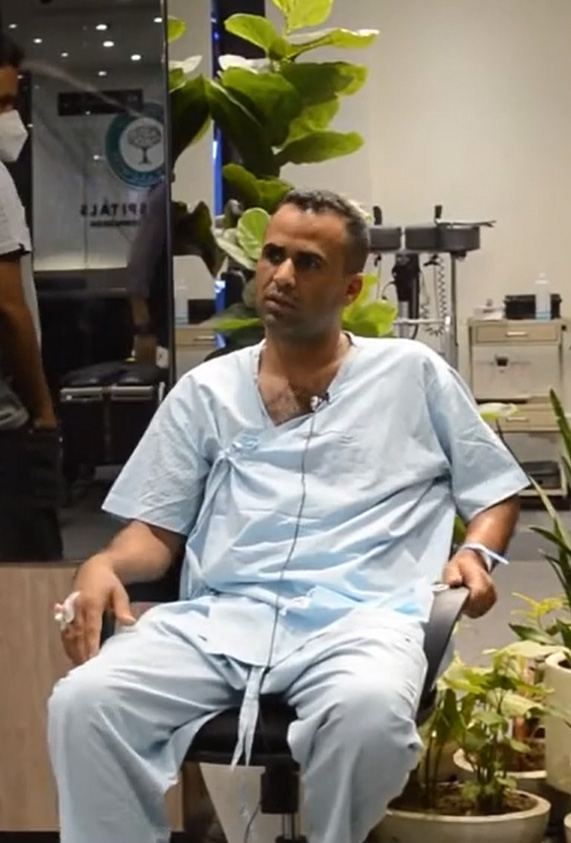
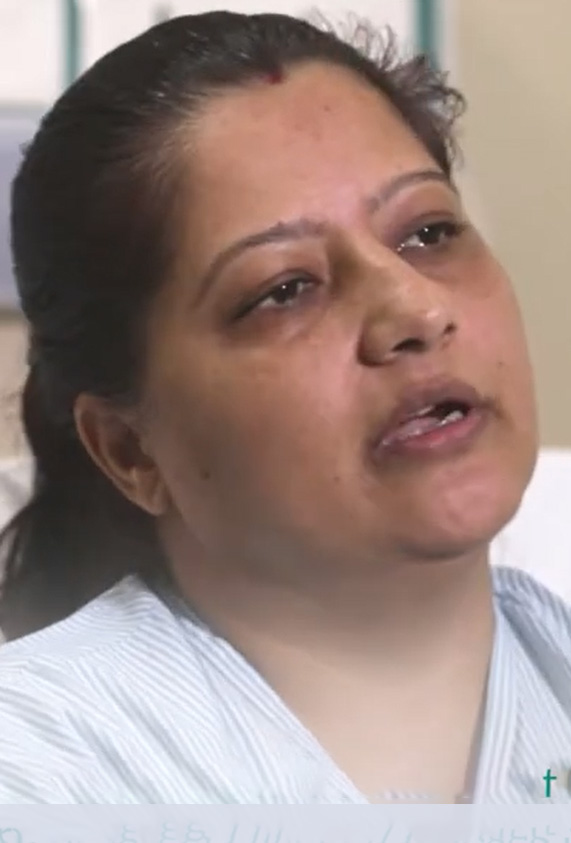
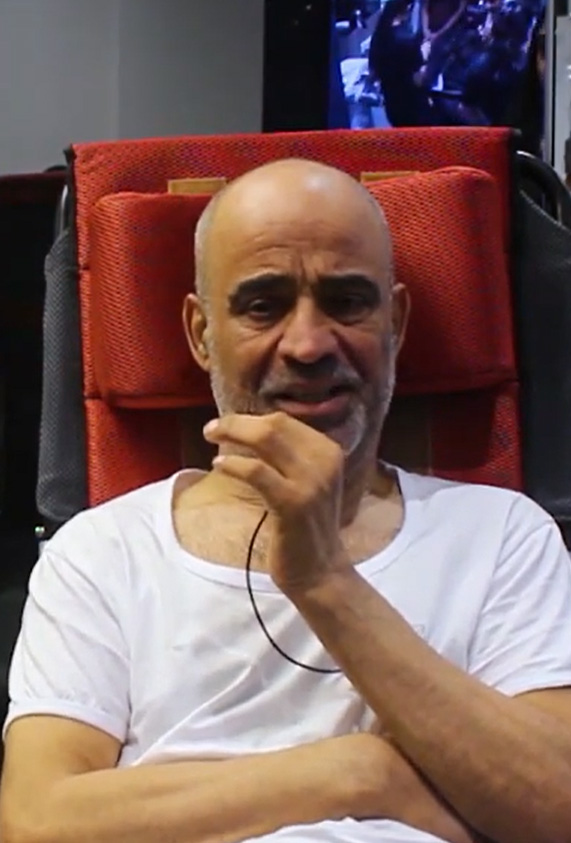
Here’s what ourPatients have to say about us:

These are the stories of our patients that never fail to inspire us:

Get Started

Our team of experts that make it possible

Meet the team of highly specialised and experienced neurosurgeons, neurologists and other experts in the field of neurology and spine care. Our team is dedicated to providing personalised and compassionate care to each patient, with the goal of helping them achieve the best possible outcomes.