

Chat Via Whatsapp
Enquire Now Call Now
Brand Logo Brand Logo

Book an Appointment

Understanding Spinal Disc Disease

IBS Hospital is committed to offering the most advanced facilities for the diagnosis, treatment and management of patients suffering from spine discs.

Degenerative spinal disc disease is a condition marked by the gradual wearing out of the spinal disc, which is the soft, rubber-like material that fills the space between two adjacent vertebrae in the spinal column. This is extremely important as it absorbs any kind of shock, ensuring minimal damage to the spine. The spine disc also plays a role in determining your spinal mobility, allowing you to move, bend and turn easily. This protective cushion can sometimes wear out, owing to varied reasons, the most common of which is age-related wear and tear. Disk degeneration is quite common in people above 40 years of age, although most people will not experience any major symptoms. It also happens to be the leading cause of back pain in adults.

More Information
Brain Tumours

The most common degenerative spine disc diseases include:
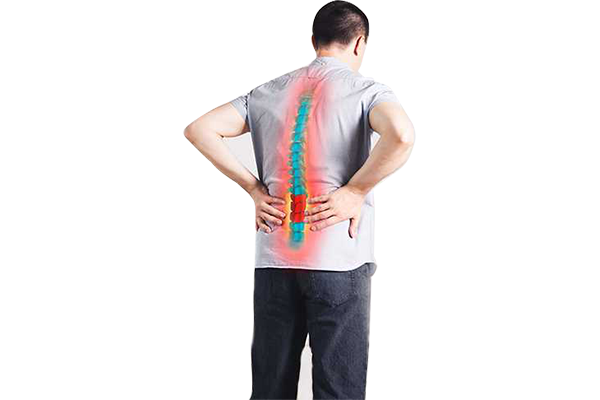
  • Scoliosis - The condition is marked by an abnormal curvature in the spine, that can be as mild as 10 degrees to as severe as 100 degrees. The majority of the patients suffering from the condition do not need any treatment, however, in extreme cases, it can lead to breathing difficulties by putting excessive pressure on the lungs.
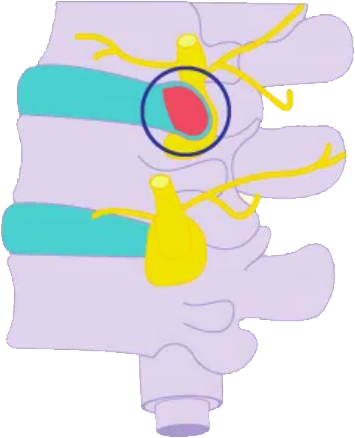
  • Herniated disk - Disk herniation is a condition marked by slipping, rupturing or bulging of a disk. It is one of the top causes of neck, leg and back pain in adults. Every year it affects nearly 2% of the global population.
  • Spinal stenosis - The condition is marked by narrowing of the spaces present between two adjacent vertebrae, which eventually results in the compression of the nerve roots and spinal cord.
  • Spondylolisthesis - It is the leading cause of lower back pain and is marked by slipping of one of the spinal vertebrae out from its position. This puts unnecessary strain on the spine, eventually resulting in spine instability
Brain Tumours

Degenerative spine disc disease is characterized by chronic pain in the neck and back. You are likely to experience:

  • Frequent bouts of pain that may last for weeks or months at a stretch
  • Numbness or tingling sensation in the lower limbs
  • Pain that radiates towards your buttocks and lower limbs
  • Pain that tends to aggravate with time
  • Pain that becomes worse with movement

Degenerative spine disk disease is quite common with ageing. Though the symptoms may not be as prominent for everyone. Some of the most common causes of degenerative disk disease include:

  • Drying out of the softcore with advancing age
  • Tear or crack in the spinal disk due to strain, injury or trauma

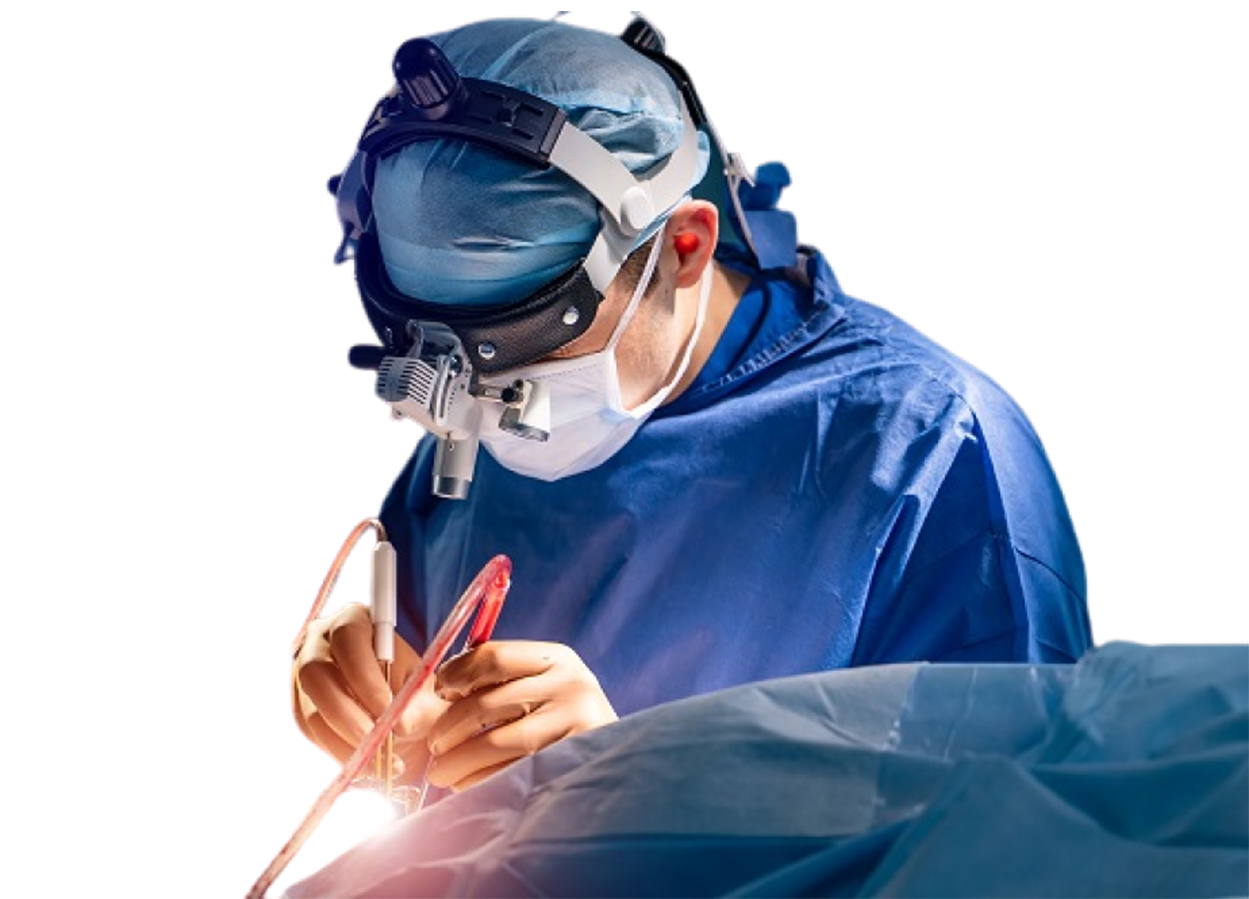
At IBS, we are committed to bringing the best technology from across the globe, for your care. State of the art facilities offered here include:

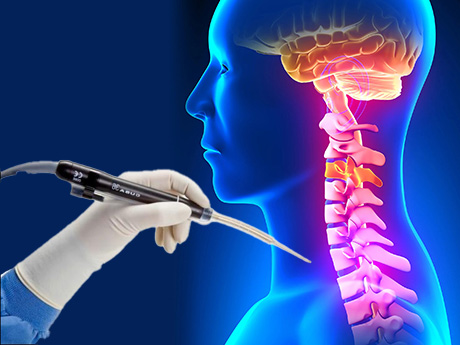
  • Neuro navigation - It is an advanced technology used for performing image-guided neuro interventions. The modality offers added precision and accuracy through real-time intraoperative guidance.
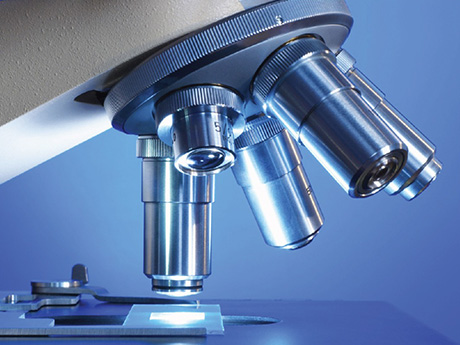
  • Fluorescent microscope - It is a highly advanced imaging tool that helps alleviate various complexities and improve the procedure's outcomes. It is an optical microscope that involves the use of fluorescence to generate ace images by overcoming the resolution barrier that is limited by diffraction in normal microscopes
  • CUSA( Cavitron ultrasonic aspirator) -The surgical modality utilizes low-frequency ultrasound energy for extracting brain and spinal cord tumours, as well as to perform other complex procedures. The ultrasonic frequencies help to emulsify the diseased tissue while leaving intact the surrounding healthy tissue.
  • Nerve monitoring - It is also known as electrophysiologic monitoring and is a surgical assessment tool that helps to evaluate the functional integrity of the brain and other related structures and alleviate the risks of any unintended damage to the same.

Comprehensive Spinal Disc Disease

All in One Place. Focused on You.

Various treatment options available for patients with degenerative spine disk include:
Before the surgery

  • You will be required to undergo some tests, based on which your doctor will discuss the possible treatment options
  • A comprehensive treatment plan will be curated based on your preference
  • You will be required to inform your doctor about your medical history
  • You need to inform your doctor if you are allergic to any medication

On the day of the surgery

  • Once you arrive at the hospital and check in, a nurse will be assigned to guide you.
  • Once necessary assessments are done, you will be taken to the operation theatre and connected to fluids and monitors
  • Your vitals will be thoroughly monitored, throughout the procedure.

Recuperation in the Hospital

  • Right after the surgery, you will be taken to the observation room from where you will be shifted to your room once you gain consciousness
  • Your hospital stay will be planned, depending upon your prognosis. Patients are usually discharged within a week.
  • Your assigned nurses will closely monitor you and take care of your medication
  • You will work with our physiotherapists, who will guide you through the recovery phase
  • A discharge plan will be curated and given to you, containing vital information about your medication.
  • Our rehabilitation team will join you with a specially curated rehabilitation program

Recuperation at home

  • You will be briefed about how to take care of the incision/wound at home
  • You will be given a set of guidelines related to your medication, diet and daily activities
  • The team will schedule your followups and you will be notified about the same

Follow up Care

  • Regular follow-ups are vital for a speedy and complication-free recovery.
  • Stay in touch with your doctor, making sure he/she is well informed about your progress.
  • Make sure you and your doctor are on the same page.
Care

Our Technology

At IBS, we are committed to bringing the best technology from across the globe, for your care.
State of the art facilities offered here include:

why-choose

Why choose IBS for spine disc treatment?

IBS Hospital is committed to offering the most advanced facilities for the diagnosis, treatment and management of patients suffering from spine discs. The hospital adheres to the use of state of the art interventions from across the globe, which are backed by the expertise of an immensely specialized team of spine specialists. Every treatment plan is curated after thorough assessment and evaluation, carried out using cutting-edge diagnostic and imaging modalities which are available at the hospital. The treatment is followed by comprehensive rehabilitative care to ensure swift and robust recovery of the patient.

Take a virtual tour
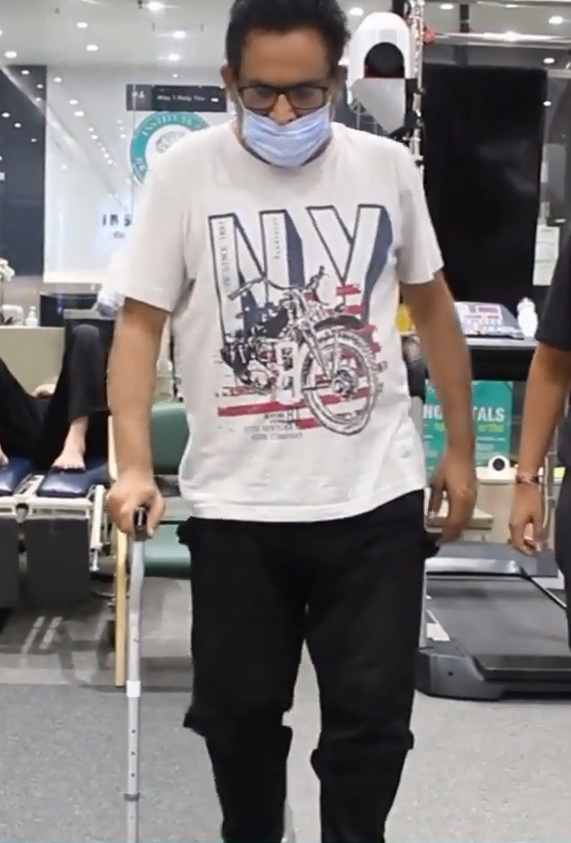
Here’s what ourPatients have to say about us

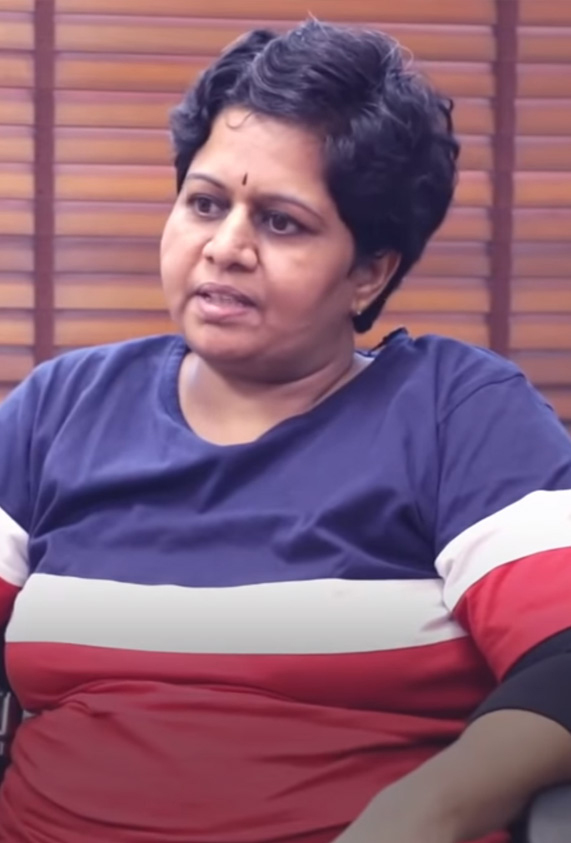
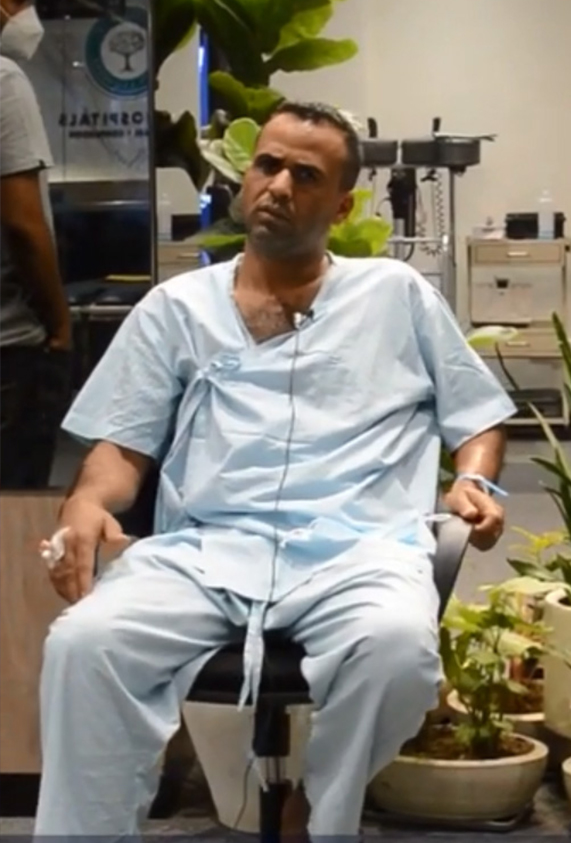
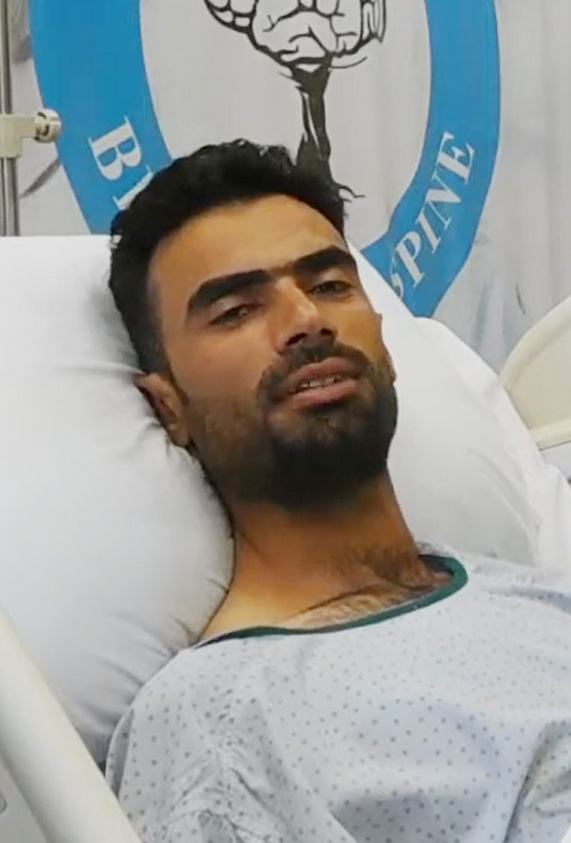
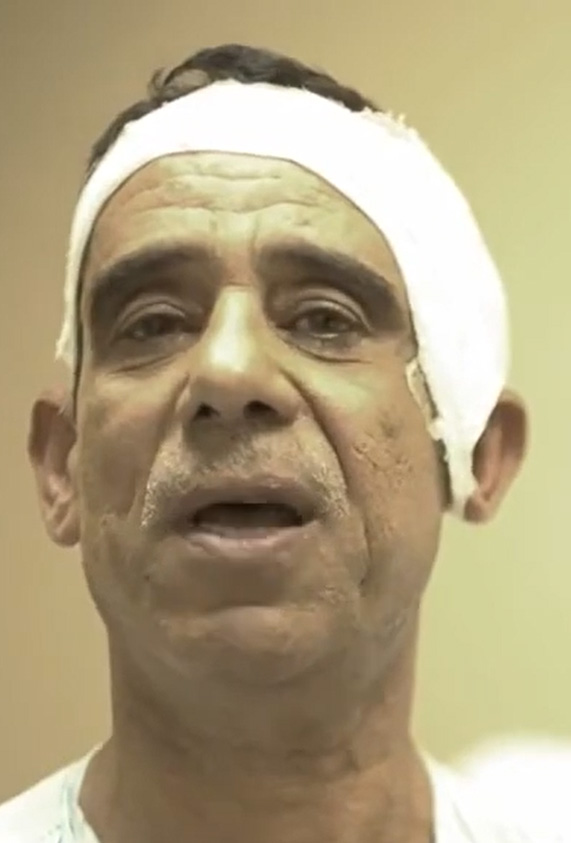
Neurological problems can be debilitating but timely diagnosis and proper treatment can help you lead a better life. Here are some inspirational stories of our patients, who overcame their neuro problems with leading-edge solutions offered by IBS experts.

Get Started

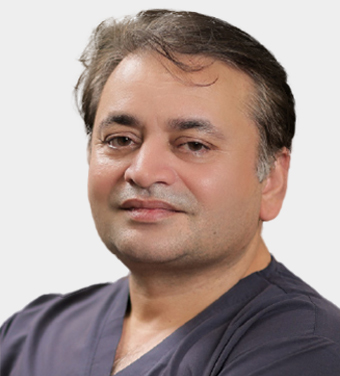
Our team of experts that make it possible

Meet the team of highly specialised and experienced neurosurgeons, neurologists and other experts in the field of neurology and spine care. Our team is dedicated to providing personalised and compassionate care to each patient, with the goal of helping them achieve the best possible outcomes.

<